
Therapy in Newton Abbot: my approach
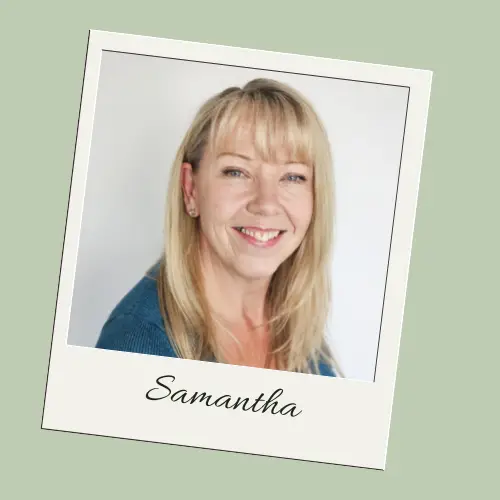
Hello. I’m Samantha, an experienced, integrative counsellor in private practice in Newton Abbot, offering face-to-face and online therapy to adults.
You may have questions about what counselling with me might be like, or about how I would work with you.
Here I’ll outline some of the ideas that guide my approach and influence the way I work.
An Integrated Approach to Counselling
Integrative counselling means I draw on a range of established counselling approaches rather than working from a single model.
This allows me to adapt the way we work together to suit you as an individual. We are all different, and what feels helpful in counselling can vary from person to person.
An integrative approach means the work is flexible and responsive, shaped around your needs, experiences, and goals.
Different perspectives
In practice, this means we may draw on different perspectives at different times, depending on what you bring and what feels most supportive for you.
Some approaches focus on understanding emotions, others on patterns in relationships, thoughts, or past experiences. My role is to help make sense of these options with you and to work collaboratively to find what feels right.
Person-centred foundation
At the heart of my work is a person-centred approach. I believe the therapeutic relationship is central to the counselling process. You are the expert in your own life, and my role is to offer a space where you feel truly heard and understood.
I’ll meet you with openness, honesty, and without judgement, so you feel safe to explore what matters to you, at your own pace.
By combining an integrative way of working with a strong, trusting relationship, counselling can become a supportive space for reflection, understanding, and meaningful change.
Over time, I hope you’ll gain a sense of me as the real person behind the ‘counsellor’ label, just as I’ll look to help discover and celebrate the authentic ‘you’
For more information, you can find details about my training, qualifications and experience here
What will we talk about in therapy?
What brings you to therapy is unique to you. There’s no set agenda, things you have to say or way of being. You just show up exactly as you are in that moment.
For some people, it’s useful to explore a current situation or problem and talk about how this is impacting you. For others, the focus may be on past experiences, memories or the story of the events, experiences and changes which have brought you to where you are today.
It’s about looking at what’s important for you to bring, and finding ways to express yourself that feel safe and comfortable.

My professional memberships and associations




What's a therapeutic Relationship?
Choosing the right counsellor can feel like a bit of a minefield, but research shows that the most important factor for effective therapy, is the quality of the therapeutic relationship between the client and counsellor.
Choosing a counsellor you feel comfortable with is an important first step on the way to finding the support you’re looking for.
An Authentic Human Connection
My experience as a counsellor, working with real people, with real problems, has taught me that effective therapy begins with the foundation of this s therapeutic relationship- it’s an authentic human connection, built on trust, honesty and respect for lived experience.
Like any relationship, a therapeutic relationship can take time to build.
But the pathway that creates a connection, the bridge between one person and another, is empathy.
Empathy: a path from isolation to connection
So, what do I mean by empathy? ‘Empathy’ can mean different things to different people, but the following lines capture what it means for me:
“Empathy is about finding echoes of another person in yourself”
— Mohsin Hamid
Source: Success Magazine
Walking Alongside You
This makes sense to me, because I believe that a healing therapeutic relationship is founded on your therapist’s ability to view the world through your eyes, to sense how it might feel for you, and then to walk beside you whilst you work through what’s troubling you.
We are all unique — shaped by our individual hopes, fears, and stories.
Yet we also share some fundamental human needs: to be heard, understood, and accepted.
A therapeutic relationship can provide the space and conditions where you can show up exactly as you are right now, and be met with curiosity, compassion and acceptance.
Feeling Comfortable
Sometimes it can take a while to feel comfortable with the counselling process, and, for a range of reasons, it can feel risky to open up in counselling. I understand this, so together, we’ll focus on what feels most important for you to explore, at a pace, and in ways that feel ok for you. To find out more about specific areas I can help with, click here.
My Training, Qualifications and Experience
I’m a fully qualified, experienced counsellor working in private practice in Newton Abbot, serving the TQ12 and surrounding areas, and online.
I’m a registered member of the BACP (British Association of Counselling and Psychotherapy)and I’m an accredited member of the the NCPS, ( National Counselling and Psychotherapy Society) and so adhere to their professional and ethical guidelines.
I’m fully insured and trained, and hold a Level 4 Advanced Diploma in Counselling.
I receive on-going clinical supervision, and regularly update my practice through CPD and additional further training.
In addition to my counselling practice I’m also an associate and course assessor for the Devon Counselling College, a role which complements my counselling work and allows me to bring my knowledge and experience to helping to train the next generation of counsellors.
My Qualifications, Additional Training and CPD
NCFE CACHE Level 2 Certificate in Counselling Skills
Level 4 Advanced Diploma In Counselling ( NCPS Accred)
Neurodiversity
- Neurodiversity Affirming Therapy with Autism and ADHD clients
- Counselling ADHD
Trauma
- Putting Polyvagal Theory Into Practice: Creating safety and Connection with Trauma Clients
- Working with Relational Trauma: disorganised attachment
- Avoiding Secondary Trauma
- Using Trauma-Informed Grounding Techniques
Relationships
- Attachment: development of identity in childhood
- Impact of Anxious Attachment
Grief
- Talking with Bereaved people
- Applying Theories of Grief to Practice
- How Adverse Circumstances Can Complicated grief
Domestic Abuse
- Level 3 Domestic Violence Awareness
- Domestic Abuse Awareness
- Working with Survivors of Domestic Abuse and Violence
- Creative Ways of Healing Trauma of Domestic Abuse and Violence
- Working with Eating Disorders
Other
Certificate in Online and Telephone Counselling
Access to Therapy for Older adults
Who I work with- What I help with
I work with 18+ clients, and have experience in supporting clients with a wide range of concerns, some of which include:
- Anxiety
- Depression
- Trauma and PTSD
- Childhood neglect and abuse
- Anger and emotional overwhelm
- Work-related stress
- Domestic violence and coercive control
- Self-confidence and self-criticism
- Long-term and chronic illness
- Bereavement, Grief and Loss
- Adult Stages of Life transitions
- Partner, family and work relationship difficulties
- LGBTQ+ and identity
I also have experience and training in working in affirmative ways with autistic people and people who have ADHD
Why Are Regular Reviews Important?
As part of the counselling process, we will regularly review our work together to make sure you’re happy with the direction we’re going in, and to decide if and how you might want to continue.
It’s important to check in with you at regular intervals to talk about the how you feel about therapy, if you’re happy with how the therapy is going and if there’s anything you want to change or develop.
For some people, therapy can be short-term and may come to an end after an agreed number of sessions. For other people, longer-term therapy is more suitable, so therapy can be open-ended, with no fixed date to end. After talking it through, you can decide what works best for you.
My Journey into Counselling..
I originally trained as a teacher in my early 20s, and worked in schools, then in adult education for many years. I have also worked in the charity sector, first as a volunteer and then later in a role as an adviser.
I was initially drawn to counselling after my own experience of therapy, which helped me to manage events in my life and the things I was struggling with. I discovered how powerful it is to have a safe, honest space where you can begin to make sense of what life throws at you.
This insight, and my own life experience, have shaped how I work with clients today.

Want to talk?
Have any questions?
To talk about whether I might be the right person to work with, or you have any questions, please Get in Touch
Book a free 20 minute chat to talk about about how I might be able to help you.
It would be great to meet you.
For updates from Candlewood Counselling, visit my Facebook and Instagram pages.
You can also visit my counselling blog page here, for insights and advice on a range of topics related to mental health.